Pai Gow Poker Rules and How They Shape a Calm Table Experience
Most casino games move fast, but Pai Gow Poker asks you to slow down and sort two hands against the dealer’s. The pace suits players who prefer measured decisions over constant action, and that same discipline shows up in the way I build governed delivery workflows for wagering products. When I map a product from concept to launch, I always start by defining the rules of engagement before adding features, which is why understanding the core mechanics matters here. You can see how a modern platform structures its lobby and tables at https://casoola-casin0.com/ before you settle into a session. The game’s slow rhythm is a genuine fit for anyone who wants a table that rewards patience rather than impulse.
How the Tiles and Split Hands Work
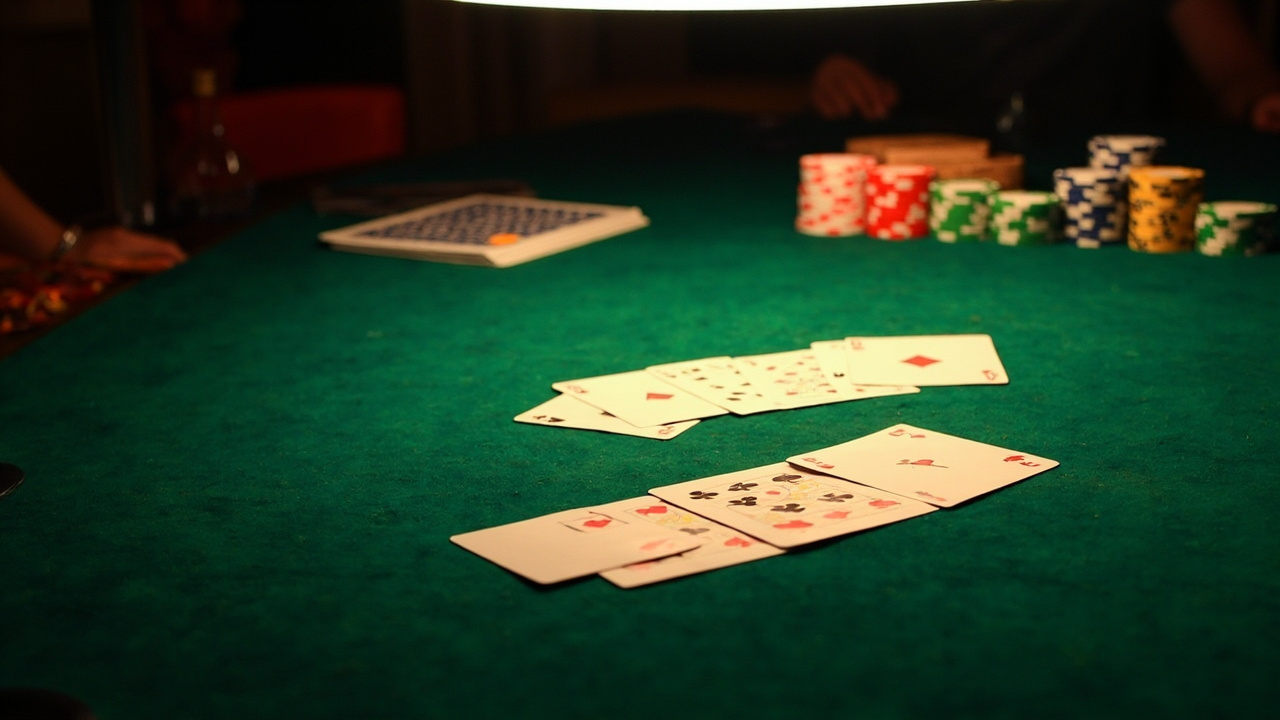
Every Pai Gow Poker hand begins with seven cards, and you must split them into a five-card hand and a two-card hand. The five-card hand, often called the front or high hand, must always rank higher than the two-card rear hand, or the bet loses outright. Standard poker rankings apply to the five-card side, while the two-card side only recognises pairs, with an Ace and a Joker sometimes treated as a weak high card depending on the house way. The Joker itself is a semi-wild card, completing straights and flushes but otherwise acting as an Ace, which keeps the rankings predictable. I’ve seen product teams overcomplicate similar split-hand logic in fintech dashboards, and the lesson is the same: a clear hierarchy beats clever edge cases every time. Once you understand that the front hand must dominate the rear, the rest of the table decisions fall into place without guesswork.
The Dealer’s Turn and Standard Banking Rules
After you set your two hands, the dealer turns over their seven cards and arranges them according to a fixed house way that removes dealer discretion. That consistency is the point of the game, and it mirrors how I design regulated workflows where operator judgment is intentionally limited to keep outcomes auditable. If both of your hands lose, the bet is a push, and if one hand wins and the other loses, the result is also a push, which is why the game earns its reputation for frequent ties. A full win requires both your hands to beat the dealer’s corresponding hands, while a single loss hands the bank the pot. Some venues let players bank the game on a rotating basis, but that option shifts responsibility and risk, so it suits experienced regulars rather than casual visitors. The push-heavy structure means variance stays relatively contained over a long session, which is a deliberate design choice rather than an accident.
Mobile Play, Navigation and Performance on the Table
Modern Pai Gow Poker tables need to load quickly, render cards clearly, and let you set hands without hunting through menus on a phone screen. A mobile-first layout should keep the split-hand controls obvious, show the house way or ranking hints without clutter, and respond smoothly when you tap to confirm your arrangement. I’ve audited plenty of wagering interfaces where navigation worked on desktop but collapsed on mobile, and the same failure mode shows up when a casino lobby buries table stakes or hand-ranking reminders behind extra taps. If you’re playing from Perth on a commute or in the arvo between meetings, you want a table that stays readable in portrait mode and doesn’t demand constant zooming. Performance matters as much as the rules here, because a sluggish hand-set flow ruins the deliberate pace that makes the game worth playing. A well-built app or responsive browser table keeps the focus on your card arrangement rather than on fighting the interface.
Bonus Mechanics, Payments and Registration Details
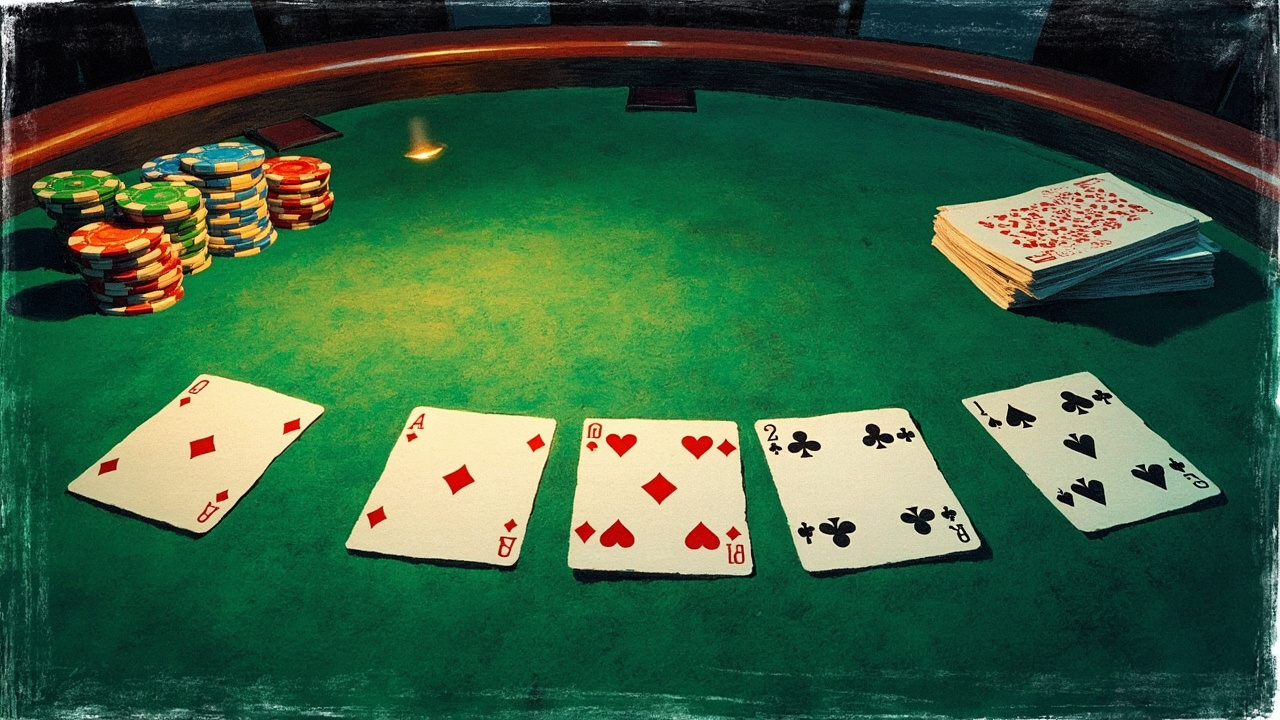
Casino Pai Gow tables usually run with fixed minimum and maximum stakes, and the bonus structure typically rewards full wins rather than partial pushes, so the payout table is worth checking before you sit down. Registration should be straightforward, with clear identity checks that match Australian age requirements and a currency display that leaves no doubt about whether you’re playing in dollars or another denomination. I always treat payment flow design the way I treat compliance in superannuation products: the path from deposit to table entry needs to be visible, the limits need to be stated plainly, and support needs to be reachable without navigating a maze. Loyalty perks can add a small edge through comp points or table credits, but they should never distort the core odds or encourage chasing losses. The table below captures the key facts you’d want to verify before committing time to a session.
| Detail | What to look for |
|---|---|
| Game format | Seven-card split into a five-card front hand and a two-card rear hand |
| Joker role | Semi-wild, completes straights and flushes, otherwise acts as an Ace |
| Push rule | One winning hand and one losing hand returns the bet |
| Stakes | Fixed table minimums and maximums, shown before you join |
| Currency | Displayed in Australian dollars where the venue supports it |
| Mobile fit | Clear hand-set controls, readable cards, fast table load |
A Calm Fit for Measured Players
Pai Gow Poker suits players who like a structured table with frequent pushes and a clear split-hand challenge, not anyone chasing rapid payouts. The rules reward careful arrangement and a willingness to accept ties as part of the rhythm, which is exactly the kind of governed, low-variance experience I’d recommend for a quiet session. If you prefer a game where you can think through each hand without the table rushing you, the mechanics line up well; if you want constant action, you’ll probably find the pace too steady.