
Hold ‘n’ Win Games Payment Speed at Casinos

Hold and Win games have a distinct place in the UK slot market holdandwins.com. The feature that sets them apart also sets the pace at which a player gets paid. When special symbols appear, they lock in place and the rest of the reels spin again. A single trigger can grow into a full-screen payout in a matter of seconds. Players who follow the timing of these sequences, the published RTP, and the volatility level can judge whether the pace matches their preference.
How Hold and Win Mechanics Affect Payout Timing
The format swaps the usual free-spin cycle for a re-spin loop that finishes in under a minute on most releases. Three or more special symbols shrink the grid to the triggered spots, and sportsnet.ca each new spin runs for roughly two seconds. The round halts only when no fresh symbols appear, so the bonus rarely stretches beyond five to fifteen spins. That is quicker than a standard free-spin round that can last for twenty or thirty spins.
UK players accustomed to long animations notice the difference at once. The smaller reel set eliminates extra screens and quickens the final count-up. The short cycle also brings back the game to the base reels almost straight away, so another trigger attempt can take place within seconds. This quick rhythm changes how fast the win seems because the player observes both the credit and the next stake in rapid order.
The speed directly impacts bankroll choices. Someone who prefers frequent small returns can experiment with a modest stake, monitor the outcome, and modify the next bet without a long pause. Players who opt for longer sessions may find the fast loop tempts them to raise stakes quickly once the feature happens again, which is why a session timer remains useful even though each round concludes rapidly.
Reels Lines, Paylines and the Way to the Bonus Round
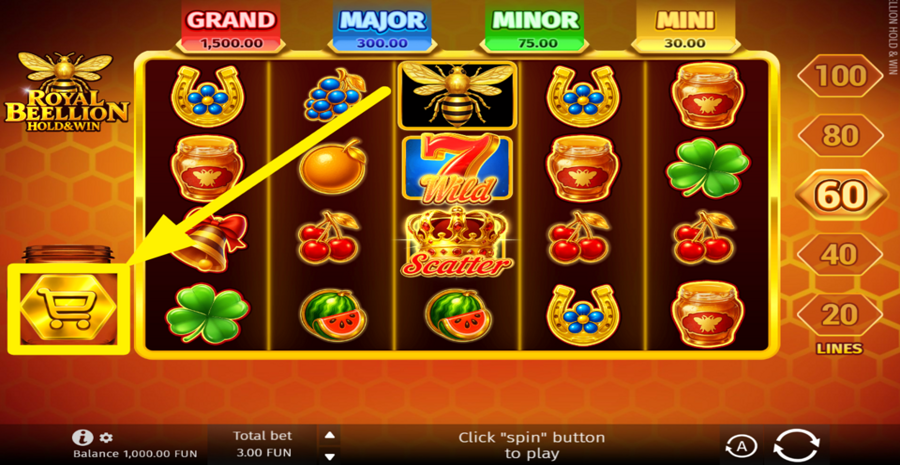
Most Hold and Win games use a 5-column, three-row setup with twenty or twenty or 25 fixed paylines. The fixed payline system removes the requirement to pick active paylines, so the wagering process reduces to a single bet multiplier. Payouts payout from left to right on neighboring reels, but the bonus trigger disregards paylines and starts on any 3 special symbols in any position on the board.
The primary game consequently fulfills two functions at once: it creates line wins that pay back some of the wager and it brings the symbols that initiate the Hold-n-Win phase. Because the bonus symbols hold zero line worth, users sometimes experience runs where just special symbols land. The absence of payline payouts in these runs is balanced by the truth that each and every qualifying icon moves the game closer to the bonus game.
Some variants extend the board to 4 rows or include an extra reel in the feature, but the main layout keeps the same. This uniformity enables players get to know symbol positions and notice almost-win patterns fast. Acquaintance with the reel set lowers the mental strain of each spin, so concentration remains on wagering choices as opposed to tracking shifting column heights or payline counts.
Common RTP Percentages and Their Impact on Return Frequency
Hold-and-Win titles released for the UK market list RTP figures ranging from 95.5 percent and 96.8 percent. Slots that channel more value into the jackpot pool are at the lower end. Titles that hold a larger share in the base game sit at the higher end. The bonus round typically makes up 40 to 60 percent of total payout, so a 0.5 percent shift in overall RTP can move the average interval between noticeable payouts by several hundred spins.
Casinos must show the RTP on the information screen. Verifying the figure before a larger stake is straightforward. A player planning five hundred spins can calculate stake by the displayed RTP to determine expected value. At 96.2 percent, a £50 total stake across those spins gives an expected return of £48.10, leaving a theoretical loss of £1.90 before volatility enters the picture.
Some developers release the same reddit.com game with two RTP options, one for operators and one for different licensing paths. The UK version is almost always the higher figure, yet it is advisable to check the value inside the game rather than trust marketing text. A lower RTP increases the average time between bonus activations, which increases the gap between meaningful payouts even when the Hold and Win sequence itself ends quickly.
Volatility Levels and Expected Session Duration
Fluctuation in these games falls into the medium-high range because the top jackpot can attain several thousand times the activating bet. Medium-volatility titles spread smaller fixed prizes more uniformly across the re-spin grid, producing a more consistent flow of modest returns. High-variance variants place most value in the top jackpot, so cold runs persist more and large credits occur less often.
A quick way to assess volatility before committing funds is to examine the lowest prize on the paytable. When that prize reaches or surpasses ten times the stake, the game usually falls in the higher bracket. If several tiers lie between two and five times the stake, the spread leans medium. Players who restrict sessions under thirty minutes often pick the medium band to lower the chance of a long losing run inside that window.
Stake size also affects how variable the game feels. At the minimum bet, even a high-volatility title can generate enough small line wins to maintain play going for several hundred spins. Boosting the stake magnifies both prize values and variance, so the same game can seem far more volatile once the bet goes beyond the middle of the allowed range. Tracking outcomes over one hundred spins at different stakes offers practical feedback that no paytable can fully replace.
Wager Range, Top Exposure and Jackpot Formats
- Base stakes on UK-licensed Hold and Win games usually start at £0.10 per spin, enabling lengthy testing without big investment.
- Top stakes reach £20 or £25 on most titles, although a few high-limit versions go up to £100 for verified players.
- Set jackpots commonly range from 500x to 2,000x the stake, while accumulating jackpots begin at £10,000 and grow until won.
The decision between set and growing prize formats changes payout speed anticipations. A static jackpot credits immediately once the required grid pattern emerges. A accumulating prize may need manual verification steps that add several minutes to the credit. Gamers pursuing the progressive element ought to set aside additional time in their session plan, especially near the end of a casino shift when manual checks occur more often.
Exposure limits also differ by operator. Some sites restrict the highest win per spin at £250,000 irrespective of stake, while others link the cap to a multiplier of the progressive base. Checking the game rules before increasing stake indicates whether a record-breaking grid will be fully paid or bound by a limit that could lower the advertised maximum win.
Bonus Features: Re-Spins, Wilds and Multipliers

When the Hold-and-Win round begins, the triggering symbols become locked and the remaining positions re-spin. Any fresh special symbol also becomes locked and restarts the re-spin counter to 3. The process continues until three spins in a row produce nothing, at which point the amounts on the secured symbols are totaled and paid. The complete process usually lasts between 20 and forty seconds on UK-regulated platforms.
Wilds appear in the main game and bonus rounds on many titles. In the main game they complete payline wins. In the bonus they double the amount of any special symbol they cover. Multipliers can apply to single special symbols or apply to the full grid sum, pushing the max credit above the sum of the shown values. Gamers should review the paytable to see whether multipliers stack or are restricted to a single symbol.
Scatters operate separately from the Hold & Win activation. Three scatter symbols award a set cash sum or a limited number of regular free spins that run on the standard reels. These scatter symbols therefore offer an alternative route to winnings that does not depend on the re-spin sequence, adding a extra layer of payment timing inside the same game.
Detailed Guide to Engaging with Hold and Win Games
- Open the game and check the paytable to verify RTP, volatility signs and jackpot values.
- Choose a stake within the displayed range, starting at the lower end to note symbol frequency.
- Turn the reels and record any line wins that show independently of the bonus symbols.
- When three or more special symbols appear, let the re-spin sequence to finish without interruption.
- Note the final credit amount and match it against the expected range for the chosen stake.
- Modify the stake or conclude the session once a predetermined win or loss limit is attained.
Each step above can be completed inside the game interface without extra tools. Maintaining a simple tally of spins between bonus triggers gives a personal volatility reading that complements the published figures. Over time the data indicates whether the selected title suits the player’s preferred interval between notable returns.
FAQ
What duration does a typical Hold and Win bonus round take?
The re-spin sequence usually finishes in twenty to forty seconds once triggered. Each spin lasts about two seconds, and the round ends after three consecutive spins without a new symbol. Players thus see the total credit within one minute of the initial trigger on most titles.
Do Hold and Win games disperse winnings instantly after the feature ends?
Yes, the summed credit from locked symbols shows up in the balance immediately after the final re-spin. Progressive jackpots might require additional verification, but fixed prizes credit without delay on UK-licensed platforms.
What is the average RTP for Hold and Win slots?
Most titles present an RTP between 95.5 percent and 96.8 percent. The exact figure is shown in the information menu, and players should verify it before committing larger stakes because small differences impact long-term return intervals.
Can I adjust the stake once the Hold and Win round has started?
No, the stake remains fixed for the duration of the re-spin sequence. Any stake adjustment applies only to the next base-game spin after the bonus concludes.
Are progressive jackpots available in Hold and Win games?
Some titles link to a progressive jackpot that increases until triggered by a specific symbol pattern. Others offer only fixed jackpots. Checking the paytable reveals which structure applies to the chosen game.
How many paylines do Hold and Win games typically have?
The majority use twenty or twenty-five fixed paylines on a five-reel, three-row grid. The bonus trigger ignores paylines and activates on any three special symbols, easing the route to the re-spin feature.
