
A Detailed Exploration of Casino Side Bets
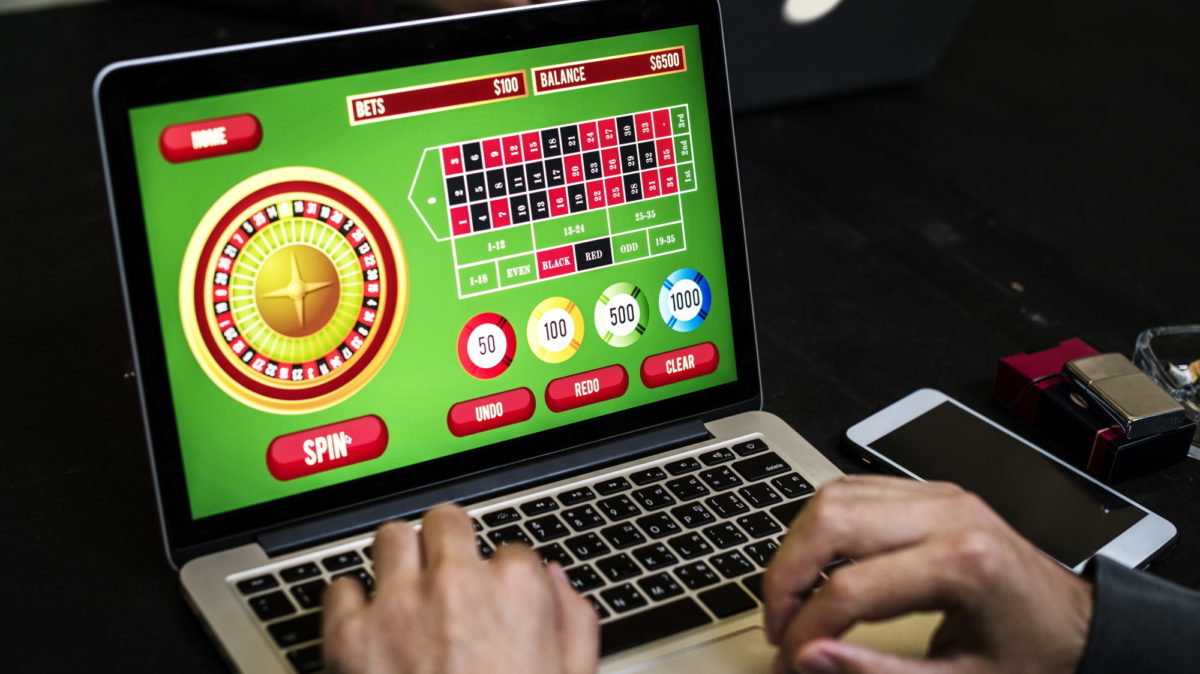
Side bets have become one of the most popular features in modern online casino play, yet they are often misunderstood. In simple terms, a side bet is an optional wager placed alongside a main game bet, with its own independent paytable and return profile. A player at a blackjack table might bet on Perfect Pairs, or a baccarat player might back a Dragon Bonus, without changing the result of the primary hand. These wagers generally offer larger multipliers than the base game, which makes them attractive to casual players and bonus hunters alike. However, the trade-off is usually a higher house edge and greater variance, meaning wins are rarer but can be much larger when they land. This guide explores how casino side bets work, the formats players are most likely to encounter, how paytables are built, and what to check before risking real money. It also looks at how Ibet Casino presents side bets across its desktop and mobile platforms, with practical UK-facing guidance throughout.
Which Casino Side Bets Are and How They Work
A casino side bet is an additional wager that sits outside the standard bet on a table game. It is made before the round begins and settled according to a separate condition, often using the same cards or numbers that decide the main game. For example, in blackjack, a player may stake on the main hand and also put a Perfect Pairs side bet that pays out if the first two cards are a pair; the main hand continues regardless of whether the side bet pays or loses. In baccarat, a side bet such as Dragon Bonus settles based on the margin of victory or whether the winning hand is a natural. In roulette, the concept emerges through call bets and special multiplier features rather than a traditional separate side bet. Because the side bet has its own rules, payout table and probability structure, it needs to be evaluated independently of the main game. This separation is crucial: a strong main-game strategy does not automatically make a side bet profitable or useful.

The allure of side bets is based on volatility and prize size. A standard blackjack win often pays 1:1 or 3:2 on a natural, while a side bet may pay 30:1, 100:1 or more for a rare combination. This changes the rhythm of play by adding a low-probability, high-reward layer to a base game that may otherwise generate steady but modest results. Online casinos like Ibet Casino host many table games where side bets are clearly marked on the virtual layout, and players can tap an additional betting circle before confirming the round. The software then checks the side bet automatically, which erases the need to memorize paytables during play. However, the convenience can also prompt players to bet quickly without checking the exact conditions. A practical approach is to treat side bets as a separate entertainment cost rather than an extension of the main bet, because their expected returns and bankroll impact are very different.
What many fail to notice is how side bets affect the house edge of the main game. Wagering £1 on the base game and £1 on a side bet does not simply blend the two edges; rather, the total expected loss per round grows because the side bet typically has a far higher statistical disadvantage. For instance, a blackjack table with a 0.5% house edge might be paired with a Perfect Pairs bet that holds 10% or more for the casino. In the long run, the player’s blended loss rate is pushed higher, and the only way to offset that is to land the rare top payouts frequently enough, which is mathematically impossible. Understanding this dynamic assists players make informed decisions about whether to add side bets in their session and how to scale them relative to the main wager. At Ibet Casino, the clear labelling of each side bet’s paytable renders it easier to compare the headline multiplier with the actual probability, but the player still must to pause and read the fine print before committing chips.
Baccarat variant, Roulette and Poker-Based Side Bets
Baccarat side bets differ more widely than blackjack options, and many live dealer tables emphasize them because they provide pace to a game that is otherwise a simple choice between Player, Banker and Tie. A common format is the pairs bet, where the player wagers on the first two cards of either the Player or Banker hand to form a pair. Dragon Bonus is another popular side bet: it rewards when the chosen side wins by a large margin or with a natural, and the payout increases as the margin grows. Other versions include Big and Small, which relate to the total number of cards in the round, and progressive jackpot side bets that can tie multiple tables. Because baccarat hands are dealt from a shoe with fixed composition, each side bet has a known probability distribution, but the published paytables can still deviate enough to change the expected value by several percentage points. Players should always check the exact table before committing funds.
Roulette side bets are less uniform than blackjack or baccarat side bets, but they follow the same principle of adding a separate wager with unique odds. Traditional European roulette features racetrack and call bets, such as Voisins du Zéro, Tiers du Cylindre and Orphelins, which group numbers by their position on the wheel rather than the table layout. Some modern online titles incorporate multiplier side bets or bonus slots, where a separate stake unlocks random multipliers on straight-up numbers; if the number hits, the payout can be significantly bigger than the standard 35:1. In poker-based casino games such as Three Card Poker, Caribbean Stud and Casino Hold’em, progressive side bets are widespread. These usually need a separate stake and pay based on hand strength, often beginning at a pair of aces or higher. The progressive element means the top prize grows over time, but the base contribution and reset value should be verified before playing.
What differentiates baccarat and roulette side bets from blackjack options is the way the bet is paid out. In baccarat, the side bet often settles on the same outcome as the main hand, such as the winning margin, which can create a psychological link that makes the player feel the side bet is a natural extension of the main decision. For roulette, the racetrack bets are the closest thing to a traditional side bet, but they are essentially a collection of straight-up and split bets that cover pre-defined wheel sectors. The newer multiplier side bets, however, are true optional wagers that sit apart from the main layout. At Ibet Casino, the roulette live lobby groups these into a bonus side bet icon that is separate from the standard chip placement area, so the player can opt to activate it with a single tap. This design lessens confusion but does not change the fact that the house edge on the multiplier bet can be considerably higher than the 2.7% of the base European wheel.
The Mental Aspect of the Ancillary Wager: Why Gamblers Pursue High Multipliers
The ancillary wager’s attraction is not purely mathematical; it draws upon thoroughly researched behavioral triggers that influence gambling behaviour. The prospect of turning a minor wager into a large payout stimulates the same reward pathways that render progressive jackpots and lottery tickets so attractive. Even though the odds of the top prize is very low, the simple chance of a life-changing win creates a exaggerated feeling of anticipation. This is intensified by the circumstance that side bets are resolved in a matter of seconds, delivering a rapid cycle of expectation and result that can be more addictive than the slower primary game. The player is not merely staking on a hand; they are buying a brief moment of hope, and the casinos recognize that this psychological worth can justify the higher house edge in the psyche of the leisure bettor.
Another psychological element is the illusion of control. At a blackjack table, a player who makes tactical decisions on the main hand may believe that the skill extends to the side bet, even though the side bet is purely random. This cognitive bias can lead to overconfidence and larger side bet stakes. Similarly, in baccarat, players who track trends on the scoreboard may begin to believe that a Dragon Bonus is “due” after a series of close wins, even though the shoe composition does not change the independence of each round. The rational counterpoint is to regard the side bet as a completely separate lottery ticket that happens to be sold at the table. Acknowledging this separation can help players prevent the trap of increasing their side bet stake to chase losses or to take advantage of a perceived hot streak.
The social dimension of live dealer games also plays into the psychology. When a player at the table lands a perfect pair or a suited three of a kind, the dealer often praises them and the result is showcased in the chat, creating a sense of shared celebration. This public reinforcement can encourage other players to take the side bet, even if they had previously ruled out it. At Ibet Casino, the live chat feature and the visual celebration of side bet wins are elements of the overall entertainment package, and they are not inherently problematic. However, players should be mindful that these social cues are designed to keep the action lively and to standardize the side bet as part of the standard experience. Staying mindful of the actual cost per round helps maintain a clear perspective.
How Payout Multipliers and House Edge Shape the Side Bet Experience
Side bet paytables are crafted to look generous while securing the casino through probability https://ibet-casino.eu. Large multipliers such as 30:1 or 100:1 are eye-catching, but the expected value hinges on how often the winning condition actually takes place. As an example, an illustrative six-deck Perfect Pairs paytable paying 30:1 for a perfect pair, 10:1 for a coloured pair and 5:1 for a mixed pair returns roughly 87p for every £1 staked over a long sequence, before the natural swings of short-term play. That indicates a house edge of about 13%, which is far higher than the main blackjack game when played with basic strategy. The same principle holds for 21+3, Dragon Bonus and jackpot side bets: the rare top-tier outcomes hold the largest payouts but supply a relatively small share of the overall return, while the more common lower outcomes maintain the casino’s margin consistent.
The fluctuation of a side bet is commonly much higher than that of the underlying game, which means players can experience long losing streaks broken by occasional large payouts. This volatility is a key part of the entertainment value, but it also demands a larger bankroll to absorb the swings. Understanding the standard deviation of a side bet can help players establish realistic expectations; for example, a Perfect Pairs bet with a 13% house edge and high variance can swiftly deplete a small balance if the player is not disciplined. Many recreational gamblers misjudge the number of rounds needed for the law of large numbers to even out the short-term results, and they may overvalue a single big win as evidence of a profitable system. In reality, each side bet round is independent, and the long-term expected loss is a function of the edge and total amount wagered.

Another important factor is how the paytable structure influences player behaviour. A side bet that pays nothing for most outcomes but offers a headline-grabbing 100:1 for a rare event can trigger a reward-seeking loop that keeps players topping up the side bet stake. The intermittent reinforcement schedule is powerful, and casinos often display recent side bet winners on the screen to amplify the feeling that the big win is just around the corner. At Ibet Casino, the live dealer interface may even show a ticker of recent jackpot hits, which can distort the player’s perception of frequency. The analytical approach is to ignore the stories and focus on the published return-to-player percentage, which is usually found in the game’s help file. If the RTP is not shown, a player can estimate it by multiplying each payout by its probability and summing the results, but in practice, checking a reputable source or comparing several paytables is more practical.
Steps to Assess a Side Bet Paytable Before Placing a Wager
When considering a side bet, a player ought to conduct a quick, systematic evaluation of the paytable to understand what they are truly getting. To begin with means finding the specific paytable for the specific table and variant, as even slight differences in the payout for a coloured pair or a flush may move the house edge by multiple percentage points. At Ibet Casino, the paytable is typically accessible from a tiny “i” icon or a dedicated side bet panel, and it’s worth to take a moment to examine it before the first round. Next involves identifying the losing condition: the majority of side bets just lose if no of the qualifying outcomes happen, but a few have a push or partial refund rule that could influence the overall return. Finally means searching for a publicised return-to-player percentage, which is increasingly common in UK-facing regulated games; if it is missing, the player needs to be careful.
A effective way to evaluate a side bet is to ask a brief series of questions that function as a mental checklist. These points may be used during a session, whether it is on desktop or mobile, to decide whether the side bet merits the extra stake.
- Look up the specific paytable for the table and variant, rather than a generic version located online.
- Check if the game displays a return-to-player percentage; if not, note that the edge is most likely above 10%.
- Contrast the hit frequency of the lowest paying tier to the base game’s win rate—if it is much lower, anticipate long losing streaks.
- Tally the number of distinct outcomes and note whether the top prize is a progressive jackpot; progressives can have a far higher contribution to the edge.
- Choose on a fixed side bet stake before the session, distinct from the main bet, and avoid chase losses by increasing it.
Using this checklist consistently changes the side bet from an impulsive extra into a deliberate choice. For example, a player at Ibet Casino who opens the Perfect Pairs paytable and sees 30:1 for a perfect pair, 10:1 for a coloured pair and 5:1 for a mixed pair can rapidly estimate that the return is below 90% and adapt the stake accordingly. The key is to regard the side bet as a standalone product with its own risk-reward profile, not as a mandatory add-on. When the player is conscious that the house edge is significantly higher than the main game, they can allocate for the entertainment value rather than hoping it to contribute positively to the session result.
21 Side Bets: Perfect Pairs, 21+3 and Cover
21 is the basis of the most commonly played side bets in UK online casinos, and Perfect Pairs is usually the simplest to understand. The player puts an optional stake on a individual circle before cards are dealt. If the first two cards form a pair, the side bet wins; if they do not, it loses. Payouts are usually structured in tiers: a mixed pair, like a six of clubs and a six of diamonds, might pay 5:1; a coloured pair, for example two red sixes of different suits, might pay 10:1; and a perfect pair, which is the same rank and suit, might pay 30:1. These multipliers differ between game versions, so the exact paytable must at all times be checked. The probability of drawing any pair in a six-deck shoe is about 7.4%, with perfect pairs appearing far less often. This rarity is what permits the casino to offer large headline numbers while keeping the overall wager profitable over time.
Another common blackjack side bet is 21+3, which combines the player’s first two cards with the dealer’s up card to form a three-card poker hand. Typical winning outcomes include a flush, straight, three of a kind, straight flush and suited three of a kind, with payouts that may range from 5:1 for a flush to 100:1 or more for the strongest combination. Insurance is technically a side bet as well: when the dealer’s up card is an ace, the player may wager up to half the original bet that the dealer has a natural blackjack. Insurance pays 2:1 but carries a significant house edge in most situations, which is why experienced players often avoid it unless counting cards. For casual players, the key point is that 21+3 and Perfect Pairs are independent of basic blackjack strategy; they do not alter the main hand but they do increase the total amount wagered per round.
Beyond these three, many blackjack tables also offer side bets like Lucky Ladies, which rewards when the player’s hand totals 20, with an enormous jackpot for a pair of queens of hearts, or Bust It, where the player bets that the dealer will bust with a specific card count. These variations typically share the same structural traits: a low hit frequency, a steeply tiered payout ladder, and a house edge that can go beyond 15% when the top prize is excluded. At Ibet Casino, several live blackjack rooms present these options in a side panel that updates dynamically, so the player can check the exact paytable before determining whether to add the extra stake. The clarity of the interface helps, but it does not replace the need to recognize that each side bet is a separate gamble with its own mathematical profile. Players who cycle through multiple side bets during a session can inadvertently boost their total wagering volume far beyond what they would have risked on the main game alone.
Side Bets and Fund Management: Maintaining Control
Adding side bets into a session without hurting the entire bankroll demands a disciplined approach that treats the side bet as a independent line item. The most straightforward method is to assign a fixed percentage of the session budget to side bets, perhaps 5% to 10%, and to never exceed that limit regardless of short-term results. If a player has a £200 bankroll for an session and decides to use £20 for side bets, that £20 can be divided into smaller units, like £1 per round over twenty rounds, or saved for a few high-impact moments. The main game stake should then be adjusted so that the total cost per round stays within the player’s comfort zone. This prevents the side bet from quietly inflating the overall betting volume, which is the underlying danger when the side bet stake is simply added to the main bet without a second thought.
Another effective technique is to time the use of side bets rather than placing them on each round. A player might choose to activate the side bet only when the main bet is at its minimal level, or when a certain scoreboard pattern appears that makes the session feel more entertaining, even if it does not change the odds. This rhythm reduces the tedious effect of a high-house-edge bet and extends the side bet budget across a lengthier session. At Ibet Casino, the mobile interface makes it effortless to switch the side bet on and off with a single tap, so the player can halt the extra wager without breaking the flow of the game. The discipline to deactivate the side bet after a losing streak is every bit as important as the willingness to try it in the first place.
Responsible gaming tools offered by UK-licensed casinos like Ibet Casino can also aid bankroll management when side bets are involved. Deposit caps, session time reminders and reality checks ensure that the player does not lose track of time or spend while chasing a side bet jackpot. Some platforms also provide a loss-limit feature that can be set before the session begins, and this can be used to cap the total losses from side bets specifically. The analytical player will record the amount spent on side bets and compare it with the entertainment value received, just as they would with any other leisure expense. Keeping a simple record of side bet wins and losses over several sessions often exposes the true cost of the high-volatility thrill, and that knowledge can inform future decisions about whether to include them at all.
